Basilicas in Italy—Southern Sicily
Basilica of St. Mary of the Stars, Comiso, Ragusa
Has been considered a minor basilica for centuries.
The church was initially completed in the early 15th Century but was largely destroyed by an earthquake in 1693. It was rebuilt over the next six years.


All pictures are from Wikipedia.
Basilica of the Holiest Mary of the Annunciation, Comiso, Ragusa
Has been considered a minor basilica for centuries.
The church was also destroyed by the 1693 earthquake but was rebuilt in 1772.


The first picture is from a local source and the next two are from Wikipedia.
Basilica of Our Lady of the Assumption, Monterosso Almo, Ragusa
Has been considered a minor basilica for centuries.
The Neo-Gothic church dates to 1000. It was heavily damaged by the 1693 earthquake but was repaired.


Both pictures are from local sources.
Basilica of St. John the Baptist, Vittoria, Ragusa
Has been considered a minor basilica for centuries.
The Baroque church was built between 1695 and 1706. It replaced an earlier structure destroyed by an earthquake in 1693. The Baroque pipe organ dates to 1748.


Both pictures are from Wikipedia.
Basilica of the Immaculate Conception, Agrigento, Agrigento
Declared a minor basilica by Pope Pius XII in 1940.
The Baroque church was completed in 1788. The basilica was damaged during the Second World War but was restored.


Pictures are from a local source and Wikipedia.
Cathedral Basilica of St. Gerlando, Agrigento, Agrigento
Declared a minor basilica by Pope Pius XII in 1951.
The Basilica is the Cathedral for the Archdiocese of Agrigento. The church was built by the Normans in the 11th Century, but it has been damaged and restored many times over the years. The renovations were done in a variety of architectural styles.


The first picture is from Pinterest and the rest from Wikipedia.
Cathedral Basilica of Our Lady of Victories, Piazza Armerina, Enna
Declared a minor basilica by Pope John XXIII in 1962.
The church was completed in 1742 to replace a 15th Century building (the bell tower was part of the original church). The Basilica is the cathedral for the Diocese of Piazza Armerina.


The first two pictures are from local sources and the third is from Wikipedia.
Basilica of St. Calogero, Monte di Sciacca, Agrigento
Declared a minor basilica by Pope John Paul II in 1979.
The church was built on a hilltop in the 16th Century. St. Calagero, a hermit monk, lived near this location in the 6th Century. The church has a 16th Century wooden statue of the saint on the main altar.
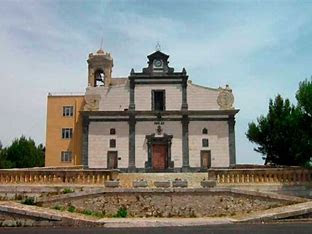

Pictures are from a local source and TripAdvisor.
Basilica of Our Lady of Help, Sciacca, Agrigento
Declared a minor basilica by Pope John Paul II in 1991.
The church was built by the Normans in the 12th Century but was largely reconstructed in the 17th Century.

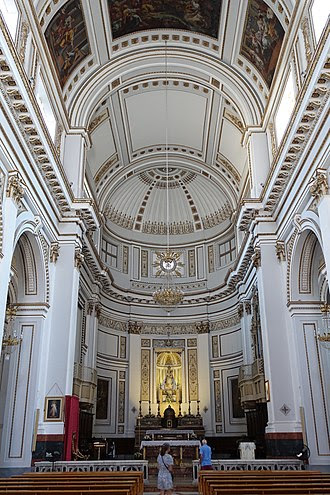

All pictures are from Wikipedia.
Basilica Shrine of Our Lady of Tears, Siracusa, Siracusa
Declared a minor basilica by Pope John Paul II in 2002.
The modern basilica was built between 1966 and 1994. It was built to house an image of Our Lady that shed tears over 58 times over a four-day period in 1953. This occurred in a private home but was witnessed by many. The tears were analyzed and found to be human tears. The Basilica can hold 11,000 people standing.


Pictures are from Wikipedia.
Basilica of Our Lady, Mazzarino, Caltanissetta
Declared a minor basilica by Pope Benedict XVI in 2006.
The Sicilian Baroque and Neoclassical church was built between 1739 and 1782 and is the third church on this site. Most of the interior decorations date to the 19th Century. In 1125, a shepherd found a painting depicting the Madonna with Saints Agatha and Lucy. The painting was found in a cave now below the church. The painting is thought to date to the 8th Century.


All pictures are from Wikipedia.
Cathedral Basilica of St. Nicholas, Noto, Siracusa
Declared a minor basilica by Pope Benedict XVI in 2012.
The Basilica is the Cathedral for the Diocese of Noto. The church was built between 1694 and 1703 and has been renovated many times, most recently in a Sicilian Baroque style. It was essentially rebuilt after a 1990 earthquake. The Basilica contains the burial urn of St. Conrad of Piacenza, a 14th Century Franciscan hermit.


All pictures are from Wikipedia.
Basilica of Our Lady of Graces, Modica, Ragusa
Declared a minor basilica by Pope Francis in 2015.
The church was built in the 17th Century on the site of a possible miracle. It was built mostly in a Renaissance style, but parts were rebuilt in a Baroque style after a 1693 earthquake.


The top picture is from the basilica website and the bottom picture is from a local source.


