Monday, September 9, 2019


Brazil—2

This blog will discuss the six Catholic provinces in Brazil’s civil state of Sao Paulo in southeastern Brazil.

Province of Sao Paulo

The province consists of that part of the civil state of Sao Paulo including and surrounding the City of Sao Paulo.  The Diocese of Sao Paulo was created in 1745 and became a metropolitan archdiocese in 1908.  

The Metropolitan Cathedral of Our Lady of the Assumption and St. Paul in Sao Paulo was built in a Neo-Gothic style between 1913 and 1954, although the towers were not completed until 1967.  The east tower has a carillon of 61 bells that was made in the Netherlands.  More than 800 tons of marble were used in the construction of the cathedral which can hold 8,000 people.  The Renaissance dome was modeled after the Cathedral in Florence, Italy.  The pipe organ was made in Italy and has 12,000 pipes, 329 stops, and five keyboards.  


The top picture is from pinterest and the others are from Wikipedia.

The Province has ten suffragan dioceses. 
  • The Diocese of Santos was created in 1924.
  • The Diocese of Santo Andre was created in 1954.
  • The Diocese of Mogi das Cruzes was created in 1962.
  • The Diocese of Nossa Senhora do Libano em Sao Paulo for the Maronite Rite was created in 1971.
  • The Diocese of Nossa Senhora do Paraiso em Sao Paulo for the Greek-Melkite Rite was created in 1971.
  • The Diocese of Guarulhos was created in 1981.
  • The Diocese of Campo Limpo was created in 1989.
  • The Diocese of Osasco was created in 1989.
  • The Diocese of Santa Amaro was created in 1989.
  • The Diocese of Sao Miguel Paulista was created in 1989. 
Province of Aparecida

The province consists of that part of the civil state of Sao Paulo northeast of the City of Sao Paulo.  The Metropolitan Archdiocese of Aparecida was established in 1958.  The Metropolitan Cathedral Basilica of the National Shrine of Our Lady in Aparecida.  The Romanesque Revival church was constructed between 1955 and 1980 and can hold 45,000 people.  The dome rises 230 feet above the floor.  Pope John Paul II gave the church the title of a minor basilica in 1980.  The Cathedral Basilica gets its name from a statue of the Virgin Mary that was found by two fishermen in 1717.


The top picture is from Flickr and the other two are from Wikipedia.

The Province has four suffragan dioceses. 
  • The Diocese of Taubate was created in 1908.
  • The Diocese of Lorena was created in 1937.
  • The Diocese of Sao Jose dos Campos was created in 1981.
  • The Diocese of Caraguatatuba was created in 1999.
Province of Botucatu

The province consists of the western part of the civil state of Sao Paulo.  The Diocese of Botucatu was established in 1908 and was promoted to a metropolitan archdiocese in 1958.  The Metropolitan Basilica Cathedral of St. Ann in Botucatu was built between 1929 and 1943.  Pope Paul VI declared it a minor basilica in 1965.  The cathedral’s website is catedraldebotucatu.org.br.

From Wikipedia.

The Province has seven suffragan dioceses. 
  • The Diocese of Lins was created in 1926.
  • The Diocese of Assis was created in 1928.
  • The Diocese of Marilia was created in 1952.
  • The Diocese of Presidente Prudente was created in 1960.
  • The Diocese of Bauru was created in 1964.
  • The Diocese of Aracatuba was created in 1994.
  • The Diocese of Ourinhos was created in 1998.
Province of Campinas

The province consists of the central part of the civil state of Sao Paulo.  The Diocese of Campinas was created in 1908 and became the Metropolitan Archdiocese of Campinas in 1958.  The Metropolitan Cathedral of Our Lady of the Conception in Campinas was built with slave labor between 1807 and 1883 and is made of gravel and clay.  It features a wood-carved Baroque interior with a neoclassical façade.  The Cathedral’s website is catedralcampinas.com.br.


Both pictures are from Wikipedia.

The Province has six suffragan dioceses. 
  • The Diocese of Sao Carlos was created in 1908.
  • The Diocese of Braganca Paulista was created in 1925.
  • The Diocese of Piracicaba was created in 1944.
  • The Diocese of Limeira was created in 1976.
  • The Diocese of Amparo was created in 1997.
  • The Diocese of Jau was created in 2024.
Province of Ribeirao Preto

The province consists of the northern portion of the civil state of Sao Paulo.  The Diocese of Ribeirao Preto was created in 1908 and became a metropolitan archdiocese in 1958.  The Metropolitan Cathedral of St. Sebastian in Ribeirao Preto was built in a neo-Gothic style between 1904 and 1918.  Paulista Benedito Calixto made six paintings depicting the life of San Sebastian and also painted a picture of the Holy Family.  The Cathedral has side altars dedicated to Christ crucified, the child Jesus of Prague, Saint Joseph, Our Lady of the Rosary, Our Lady of Aparecida, St. Anthony, Our Lady of Sorrows, and the Sacred Heart of Jesus.  The website is catedralrp.com.br.


Both are from Wikipedia.

The Province has eight suffragan dioceses. 
  • The Diocese of Jaboticabal was created in 1929.
  • The Diocese of Sao Jose do Rio Preto was created in 1929.
  • The Diocese of Jales was created in 1959.
  • The Diocese of Sao Joao da Boa Vista was created in 1960.
  • The Diocese of Franca was created in 1971.
  • The Diocese of Barretos was created in 1973.
  • The Diocese of Catanduva was created in 2000.
  • The Diocese of Votuporanga was created in 2016.
Province of Sorocaba

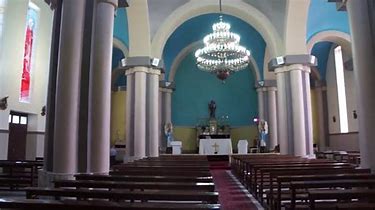
The province consists of the southern part of the civil state of Sao Paulo.  The Diocese of Sorocaba was created in 1924 and it was promoted to a metropolitan archdiocese in 1992.  The Metropolitan Cathedral of Our Lady of the Bridge in Sorocaba was built in a Baroque style in the late 1700s.  The Cathedral has 20th Century interior paintings by Ernesto Tomazzini and Bruno Giusti.  The bell in the bell tower has 50 kilograms of gold for sound quality.  See catedraldesorocaba.org.br. 


From Wikipedia.

The Province has four suffragan dioceses. 
  • The Diocese of Jundiai was created in 1966.
  • The Diocese of Itapeva was created in 1968.
  • The Diocese of Registro was created in 1974.
  • The Diocese of Itapetininga was created in 1998. 
Definitions

The Catholic Church is mostly divided into ecclesiastical provinces—a province consists of a metropolitan archdiocese and one or more dioceses.  The province and the archdiocese are led by an archbishop.  Each of the dioceses is called a suffragan diocese and is led by a bishop.  Archbishops have some responsibilities for the province, but all bishops answer directly to the Pope.  

Most Catholics in the world belong to the Latin or Roman rite.  Rite refers to liturgical practices, ecclesiastical discipline, and spiritual heritage.  Many Catholics belong to one of two dozen Eastern rite churches.  Eastern rite churches trace their heritage to Eastern Europe and the Middle East.

A basilica is an honorary title bestowed on a church by the Pope because of the church’s antiquity, dignity, historical importance, or significance as a center of worship.  Some cathedrals are also basilicas.  Each basilica has a ceremonial umbrella in the papal colors of white and yellow and a ceremonial bell.  Both of these are symbolic of the Pope’s special relationship to the basilica.

Friday, September 6, 2019


Brazil-1 


Portuguese explorers claimed Brazil for Portugal in 1500 and the first Mass in Brazil was celebrated on Easter Sunday of that year.  Brazil has been predominantly Catholic ever since.  About 65 percent of Brazil’s 209 million people are Catholic and 23 percent belong to other Christian churches.  Brazil gained independence from Portugal in 1822. 


Brazil has 45 ecclesiastical provinces which I will cover over six blogs.  The following are not part of any province.

  • The Armenian-rite Apostolic Exarchate of Latin America and Mexico serves 12,000 Armenian Catholics in Brazil, Uruguay, and Mexico.  It was established in 1981 and is immediately subject to the Pope.  The Exarchate has cathedrals in Sao Paulo, Brazil, and Montevideo, Uruguay.

  • The Ordinariate of Eastern Rite Catholics serves 10,000 Catholics of eastern rites without a diocese in Brazil.  It was established in 1951 and is immediately subject to the Pope. 

  • A diocese for the Brazilian armed forces was established in 1950.  

  • The Personal Apostolic Administration of São João Maria Vianney serves 30,000 Traditional Catholics in Rio de Janeiro.  It was established in 2002 and is immediately subject to the Pope.

This blog will discuss the nine Catholic provinces in Brazil’s civil states of Parana, Rio Grande do Sul, and Santa Catarina, as well as the Ukrainian-rite province for Brazil.  All are located in southeastern Brazil.


Province of Porto Alegre (Rio Grande do Sul)

The province consists of east central portion of the civil state of Rio Grande do Sul.  The Diocese of San Pedro do Rio Grande was created in 1848 and became the Metropolitan Archdiocese of Porto Alegre in 1910.  The Metropolitan Cathedral of Our Lady Mother of God in Porto Alegre was built between 1921 and 1972 and has two bell towers.  See catedralportoalegre.com.br.


From Wikipedia.

The Province has four suffragan dioceses. 
  • The Diocese of Caxias do Sul was created in 1934.
  • The Diocese of Novo Hamburgo was created in 1980.
  • The Diocese of Osorio was created in 1999.
  • The Diocese of Montenegro was created in 2008.
Province of Curitiba (Parana)

The province consists of the southeastern part of the civil state of Parana.  The Diocese of Curitiba was established in 1892 and was promoted to a metropolitan archdiocese in 1926.  The Metropolitan Cathedral of Our Lady of Light in Curitiba was established as a parish in 1668 and the current church was built between 1876 and 1893.  Pope John Paul II declared it a minor basilica in 1993.  The Archdiocese’s website is arquidiocesedecuritiba.org.br.


From Wikipedia.

The Province has five suffragan dioceses. 
  • The Diocese of Ponta Grossa was created in 1926.
  • The Diocese of Paranagua was created in 1962.
  • The Diocese of Guarapuava was created in 1965.
  • The Diocese of Uniao da Vitoria was created in 1976.
  • The Diocese of Sao Jose dos Pinhais was created in 2006.
Province of Florianopolis (Santa Catarina)

The province consists of the civil state of Santa Catarina.  The Diocese of Santa Catarina was created in 1908 and became the Metropolitan Archdiocese of Florianopolis in 1927.  The limestone Metropolitan Cathedral of Our Lady of the Exile and St. Catherine of Alexandria in Florianopolis was constructed in a neo-classical style between 1753 and 1773.  The Cathedral’s website is catedralflorianopolis.org.br.


From Wikipedia.

The Province has two suffragan dioceses. 
  • The Diocese of Tubarao was created in 1954.
  • The Diocese of Criciuma was created in 1998.
Pope Francis subdivided the Province of Florianopolis by creating two new provinces in 2024.  The Diocese of Joinville, created in 1927, became an archdiocese.  Its cathedral is St. Francis Xavier and its suffragan dioceses are:
  • The Diocese of Rio do Sul was created in 1968.
  • The Diocese of Blumenau was created in 2000. 
The Diocese of Chapeco, created in 1958, became an archdiocese.  Its cathedral is St. Anthony of Padua and its suffragan dioceses are:
  • The Diocese of Lages was created in 1927.
  • The Diocese of Cacador was created in 1968.
  • The Diocese of Joacaba was created in 1975.
Province of Londrina (Parana)

The province consists of the northeastern part of the civil state of Parana.  The Diocese of Londrina was created in 1956 and became a metropolitan archdiocese in 1970.  The Metropolitan Cathedral of the Sacred Heart of Jesus in Londrina was built between 1954 and 1972 in a modern style.  The website is catedrallondrina.com.br.


From Wikipedia.

The Province has three suffragan dioceses. 
  • The Diocese of Jacarezinho was created in 1926.
  • The Diocese of Apucarana was created in 1964.
  • The Diocese of Cornelio Procopio was created in 1973. 
Province of Cascavel (Parana)

The province consists of the southwestern part of the civil state of Parana.  The Diocese of Cascavel was established in 1978 and became a metropolitan archdiocese the following year.  The Metropolitan Cathedral of Our Lady of the Apparition in Cascavel was built between 1974 and 1978.


From Wikipedia.

The Province has three suffragan dioceses. 
  • The Diocese of Toledo was created in 1959.
  • The Diocese of Foz do Iguacu was created as a territorial prelature in 1926 and became a diocese in 1978.
  • The Diocese of Palmas-Francisco Baltrao was created as a territorial prelature in 1933 and became the Diocese of Palmas in 1958.  It acquired its current name in 1987.
Province of Maringa (Parana)

The province consists of the northwestern part of the civil state of Parana.  The Diocese of Maringa was created in 1956 and became a metropolitan archdiocese in 1979.  The Metropolitan Cathedral of Our Lady of Glory in Maringa was completed in 1972 and is the tallest church in South America.  The architect was inspired by the Soviet sputnik satellites in designing a church that rises almost 400 feet above the ground.  Pope John Paul II designated the cathedral as a minor basilica in 1982.  The archdiocesan website is arquidiocesemaringa.org.br.


From pinterest.

The Province has three suffragan dioceses. 
  • The Diocese of Campo Mourao was created in 1959.
  • The Diocese of Paranavai was created in 1968.
  • The Diocese of Umuarama was created in 1973.
Province of Passo Fundo (Rio Grande do Sul)

The province consists of the northern portion of the civil state of Rio Grande do Sul.  The Diocese of Passo Fundo was created in 1951 and it was promoted to a metropolitan archdiocese in 2011.  The Metropolitan Cathedral in Passo Fundo is dedicated to Our Lady of the Apparition.  The archdiocesan website is arquidiocesedepassofundo.com.br.


From Wikipedia.

The Province has three suffragan dioceses. 
  • The Diocese of Vacaria began as a territorial prelature in 1934 before becoming a diocese in 1957.
  • The Diocese of Frederico Westphalen was created in 1961.
  • The Diocese of Erexim was created in 1971.
Province of Pelotas (Rio Grande do Sul)

The province consists of the southern portion of the civil state of Rio Grande do Sul.  The Diocese of Pelotas was created in 1910 and it was promoted to a metropolitan archdiocese in 2011.  The Metropolitan Cathedral of St. Francis of Paola Pelotas was built in the mid-19th Century and has paintings by Brazil artists Aldo Locatelli and Emilio Sessa.


The first two pictures are from Flickr and the last is from pinterest.

The Province has two suffragan dioceses. 
  • The Diocese of Bage was created in 1960.
  • The Diocese of Rio Grande was created in 1971.
Province of Santa Maria (Rio Grande do Sul)

The province consists of the west central portion of the civil state of Rio Grande do Sul.  The Diocese of Santa Maria was created in 1910 and it was promoted to a metropolitan archdiocese in 2011.  The Metropolitan Cathedral in Santa Maria is dedicated to the Immaculate Conception of Mary.


From Wikipedia.

The Province has five suffragan dioceses. 
  • The Diocese of Uruguaiana was created in 1910.
  • The Diocese of Santa Cruz do Sul was created in 1959.
  • The Diocese of Santo Angelo was created in 1961.
  • The Diocese of Cruz Alta was created in 1971.
  • The Diocese of Cachoeira do Sul was created in 1991.
Ukrainian Rite Province of Sao Joao Batista em Curitiba (Parana)

The province consists of Ukrainian rite Catholics in Brazil.  The Apostolic Exarchate of Brazil was created in 1962, became the Diocese of Sao Joao Batista em Curitiba in 1971 and became the Metropolitan Archdiocese of Sao Joao Batista em Curitiba (St. John the Baptist in Curitiba) in 2014.  The Metropolitan Cathedral of St. John the Baptist was built between 1953 and 1959.  See metropolia.org.br.


From the Archdiocesan website.

The Province has one suffragan diocese. 
  • The Diocese of Imaculada Conceicao in Prudentopolis was created in 2014. 
Definitions

The Catholic Church is mostly divided into ecclesiastical provinces—a province consists of a metropolitan archdiocese and one or more dioceses.  The province and the archdiocese are led by an archbishop.  Each of the dioceses is called a suffragan diocese and is led by a bishop.  Archbishops have some responsibilities for the province, but all bishops answer directly to the Pope.  There are also jurisdictions below the level of a diocese.  These include territorial prelatures which are missionary dioceses led by a priest below the rank of a bishop. 

Most Catholics in the world belong to the Latin or Roman rite.  Rite refers to liturgical practices, ecclesiastical discipline, and spiritual heritage.  Many Catholics belong to one of two dozen Eastern rite churches.  Eastern rite churches trace their heritage to Eastern Europe and the Middle East.

A basilica is an honorary title bestowed on a church by the Pope because of the church’s antiquity, dignity, historical importance, or significance as a center of worship.  Some cathedrals are also basilicas.  Each basilica has a ceremonial umbrella in the papal colors of white and yellow and a ceremonial bell.  Both of these are symbolic of the Pope’s special relationship to the basilica.


Monday, August 19, 2019


Iraq, Iran, and Turkey

Iraq

Christianity has been in Iraq since Apostolic times.  Today, Muslims account for over 95 percent of Iraq’s 40 million people.  Christians account for less than 1 percent and of these about 300,000 are Catholic.  Catholics belong to one of five liturgical rites.

Chaldean Rite

Most Iraqi Catholics are Chaldean-rite and they number about 250,000.  Chaldean Catholics in Iraq have two provinces and three separate archdioceses that are immediately subject to the Chaldean patriarch.  The Archdiocese of Basra was established as the Diocese of Perat-Maishan in 280 and became a metropolitan archdiocese in 410.  It was later suppressed before becoming an archdiocese in 1954.  The Archdiocese of Mosul began as a diocese in 1800 before becoming an archdiocese in 1967.  The Archdiocese of Erbil was established in 1968 and its cathedral is in Ankawa.

Province of the Chaldean Patriarchal See of Baghdad

The Patriarchate of Baghdad was established in the 3rd Century and became the Patriarchal See of the Chaldean Patriarch in 1553.  On the same day, the Metropolitan Archdiocese of Baghdad was created as the Patriarch’s province.  The Patriarch’s cathedral in Baghdad is dedicated to Mary, Mother of Sorrows and it was built the 1890s.


From Wikipedia

The Province has three suffragan dioceses in Iraq—there are others in other countries.
  • The Diocese of Amadiyah was created in 1785.  The cathedral is in Duhok.
  • The Diocese of Akre was established in 1850, was suppressed in 1895, and was restored in 1910.
  • The Diocese of Alquoch was established in 1960.
  • The Diocese of Zaku was established in 2020.
Province of Kirkuk-Sulaimaniya

The Metropolitan Archdiocese of Kirkuk was established in 1789 and was renamed Kirkuk-Sulaimaniya in 2013.  The Metropolitan Archdiocese has no suffragan sees.  The Metropolitan Cathedral in Kirkuk is dedicated to the Sacred Heart of Jesus.

Roman Rite

There are about 3,000 Roman Rite Catholics in Iraq in 2 parishes.  The Diocese of Baghdad was established in 1632 and became an archdiocese in 1848.  It is immediately subject to the Pope.

Armenian Rite

There are 2,000 Armenian Rite Catholics in Iraq in 2 parishes.  The Archdiocese of Baghdad was established in 1954 and is immediately subject to the Armenian patriarch.

Greek-Melkite Rite

There are only about 200 Greek-Melkite Catholics in Iraq and they are under the jurisdiction of the Patriarchal Exarchate of Iraq.  The Exarchate was established in 1838 and is immediately subject to the Greek-Melkite Patriarch.  There has been not bishop since 2004.  There is only one parish—the cathedral in Baghdad.

Syriac Rite

Syrian Catholics number about 50,000 in Iraq and there are three archdioceses and a patriarchal exarchate.  All are immediately subject to the Syriac patriarch.  The Archdiocese of Mosul was established in 1790, the Archdiocese of Baghdad was established in 1862, and the Archdiocese of Hadib-Erbil was established in 2019.  The Patriarchal Exarchate of Basra and the Gulf was created in 1982.  The cathedral is in Basra.  

Iran

Christianity has been in Iran since Apostolic times.  Today, Muslims account for over 99 percent of Iran’s 83 million people.  Catholics number about seven thousand and belong to one of three liturgical rites.

Chaldean Rite

There are about 5,000 Chaldean Rite Catholics in Iran.  They fall under the jurisdiction of one of four dioceses and fewer than a dozen parishes.  

The Metropolitan Archdiocese of Tehran was established as the Metropolitan Archdiocese of Sehna in 1853 and was renamed in 1971.  The Metropolitan Archdiocese has no suffragan sees.  The Metropolitan Cathedral in Tehran is dedicated to St. Joseph.


From Flickr and Youtube

The Metropolitan Archdiocese of Urmya (in northwestern Iran) was established in 1890 and has one suffragan see—the Diocese of Salmas.  The Metropolitan Cathedral of St. Mary the Mother of God in Urmya was originally built in the 1880s, but was destroyed in 1918.  It reopened in 1954.  The Diocese of Salmas was established in 1709. Salmas is in northwestern Iran.


Urmya Cathedral from Pinterest

The Archdiocese of Ahvaz was established in 1966 and is immediately subject to the Chaldean patriarch.  The Cathedral is in Ahvaz, Iran (in the southwest near Kuwait).

Roman Rite

There are 2,000 Roman Rite Catholics in Iran under the jurisdiction of the Archdiocese of Tehran-Isfahan.  The Archdiocese, which has 3 parishes, was established in 1629 and became an archdiocese in 1910.  It is immediately subject to the Pope.  The Cathedral is in Tehran.

Armenian Rite

There are 150 Armenian Rite Catholics in Iran under the jurisdiction of the Diocese of Isfahan.  The Diocese, which has 1 parish, was established in 1850 and is part of the Armenian Province of Cilicia (in Beirut, Lebanon).  The Cathedral is in Isfahan in central Iran.

Turkey

Christianity has been in Turkey since Apostolic times.  Today, Muslims account for over 99 percent of Turkey’s 81 million people.  Catholics number about 50-75 thousand and belong to one of five liturgical rites.

Roman Rite

Roman Rite Catholic make up the majority of Catholics in Turkey.  The 30,000 Roman Rite Catholics belong to one of three dioceses:  the Metropolitan Archdiocese of Izmir (located in western Turkey), the Apostolic Vicariate of Anatolia, and the Apostolic Vicariate of Istanbul.

Izmir is the same as Smyrna, one of the seven churches in the Book of Revelation (and the only still in existence).  The Christian community dates to Apostolic times and claims to have been founded by John the Apostle.  St. Polycarp later served as bishop.  Officially, the Metropolitan Archdiocese of Izmir was established as the Archdiocese of Smyrna in 1346, was suppressed in 1575, restored as an apostolic vicariate in 1625, before being raised to the Metropolitan Archdiocese of Izmir (Smyrna) in 1818.  Despite being a metropolitan archdiocese, it has no suffragan dioceses.

St. John’s Cathedral was built in a neo-classical style between 1862 and 1874.  The beautifully decorated church was mostly destroyed during the Turkish War of Independence (1922-1925) and most of the Catholic community left.  In an attempt to save the Cathedral, the Archbishop entered into an agreement with the U.S. military in 1965 to use it as a chapel.  Unfortunately, this caused distrust in the larger Muslim community and the agreement was cancelled in 2013.  See izmirkatedrali.com.


From Wikipedia

The Apostolic Vicariate of Istanbul was established in 1742 as the Apostolic Vicariate of Constantinople and was renamed in 1990.  It is immediately subject to the Pope.  The cathedral is in Istanbul.  The Apostolic Vicariate of Anatolia is immediately subject to the Pope.  It began as the mission sui juris of Trabzon in 1931 and acquired its current name and status in 1990.  There are cathedrals in Iskenderun and Mersin (both in southern Turkey).

Armenian Rite

There are 3,000 Armenian Catholics in Turkey.  The Patriarch of the Armenian Rite is officially headquartered in Cilicia (a region in southern Turkey), but is now based in Beirut, Lebanon.  (See my blog on Lebanon of April 8, 2019.)  The Armenian Archdiocese of Istanbul was established in 1830, suppressed in 1867, and restored in 1928.  It is immediately subject to the Armenian Patriarch.

Chaldean Rite

There are 30,000 Chaldean Catholics in Turkey under the jurisdiction of the Chaldean Archdiocese of Diarbekir.  (Diarbekir is in southeastern Turkey.)  The Archdiocese, which is immediately subject to the Chaldean Patriarch, was established as a diocese in 1553.  It became an archdiocese in 1966.

Greek Catholic Rite

There are only about two dozen Greek Catholics in Turkey.  They are under the jurisdiction of the Greek Catholic Apostolic Exarchate of Istanbul, which was established in 1911 and acquired its current name in 1936.  The Exarchate is immediately subject to the Pope.  Its last bishop died in 1957 and it has had apostolic administrators ever since.

Syriac Rite

Syriac Rite Catholics in Turkey number about 2,000 and are under the jurisdiction of the Syriac Patriarchal Exarchate of Turkey, which was established in 1908 and is immediately subject to the Syriac Patriarch.

Definitions

The Catholic Church is mostly divided into ecclesiastical provinces—a province consists of a metropolitan archdiocese and one or more dioceses.  The province and the archdiocese are led by an archbishop.  Each of the dioceses is called a suffragan diocese and is led by a bishop.  Archbishops have some responsibilities for the province, but all bishops answer directly to the Pope.  There are also archdioceses that are not part of a province that are directly under the jurisdiction of the Pope.  There are also jurisdictions below the level of a diocese.  These include apostolic vicariates and apostolic prefectures.  Both are missionary territories below the level of a diocese.  The difference is that a vicar apostolic holds the rank of a bishop and the prefect apostolic is a priest, but not a bishop.  There is also a jurisdiction called a mission sui juris.  A mission sui juris may be part of a province and is often administered by a bishop of another diocese. 

Most Catholics in the world belong to the Latin or Roman rite.  Rite refers to liturgical practices, ecclesiastical discipline, and spiritual heritage.  Many Catholics belong to one of two dozen Eastern rite churches.  Eastern rite churches trace their heritage to Eastern Europe and the Middle East.  Eastern rite churches sometimes use different terminologies.  For example, a diocese might be called an eparchy and is led by an eparch.  A vicariate apostolic is called an exarchy and is led by an exarch.  A patriarchal exarchate is an exarchy directly subject to the Patriarch. 

Monday, August 12, 2019


Senegal, Mali, Burkina Faso, and Niger

Senegal

Portuguese explorers came to Senegal in the 15th Century, but it was not until the 17th Century that Senegal was colonized by France.  Senegal became part of French West Africa in 1895 and the capital of French West Africa—a colony now divided into 8 independent nations—was in Saint-Louis in Senegal.  The Capital moved to Dakar in 1902.  Senegal, then combined with Gambia into a nation called Senegambia, gained independence in 1960.  The Gambia split from Senegal in 1989.  Catholicism came with the Portuguese and the French and converts were made as early as the late 1400s.  Missionaries continued to visit over the next 300 years.  The Apostolic Prefecture of Senegal was created in 1763 in Saint-Louis and was assigned to the Holy Ghost Fathers, who were later assisted by the St. Joseph Sisters of Cluny.  Over 96 percent of Senegal’s 15 million people are Muslim.  Catholics number over 600,000 or 4 percent of the total.

Province of Dakar

The province consists of the nation of Senegal.  The Apostolic Vicariate of Senegambia was created in 1863 and was renamed Dakar in 1936.  The Metropolitan Archdiocese of Dakar was created in 1955.  Our Lady of Victories Cathedral was consecrated in 1936.  Much of the building material is African—sandstone from Sudan, marble from Tunisia, and wood from Gabon.


The top picture is from pinterest and the bottom picture is from Wikipedia.

The Province has six suffragan dioceses.
  • The Apostolic Prefecture of Ziguinchor was established in 1939, became an apostolic vicariate in 1952, before becoming the Diocese of Ziguinchor in 1955.
  • The Apostolic Prefecture of Kaolack was established in 1957 and was promoted to a Diocese in 1965.
  • The Apostolic Prefecture of Senegal was created in 1763 and became the Diocese of Saint-Louis du Senegal in 1966.
  • The Diocese of Thies was established in 1969.
  • Tambacounda was established as an apostolic prefecture in 1970 before being promoted to a Diocese in 1989.
  • The Diocese of Kolda was established in 1999. 
Burkina Faso

France made a colony of what is now Burkina Faso in 1897.  Missionaries of Africa (formerly the White Fathers) established missions in Koupela in 1900 and in Ouagadougou in 1901.  The nation gained its independence from France in 1960.  Muslims make up over 60 percent of the population of Burkina Faso.  Catholics account for about 4.5 million people or 23 percent of the total population of 20 million.  Catholics are divided among three ecclesiastical provinces—Ouagadougou, Bobo-Dioulasso, and Koupela.

Province of Ouagadougou

The province consists of central Burkina Faso.  The Apostolic Vicariate of Ouagadougou was established in 1921 and was promoted to the Metropolitan Archdiocese of Ouagadougou in 1955.  The Cathedral of the Immaculate Conception in Ouagadougou was constructed between 1934 and 1936 with red mud bricks in a Romanesque style.  The Cathedral has an outdoor altar dedicated to the Virgin Mary.


From Wikipedia.

The Province has three suffragan dioceses.
  • The Apostolic Vicariate of Koudougou was established in 1954 and was promoted to a diocese in 1955.
  • The Diocese of Ouahigouya started as an apostolic prefecture in 1947 before becoming a diocese in 1958.
  • The Diocese of Manga was established in 1997. 
Province of Bobo-Dioulasso

The province consists of western Burkina Faso.  The Apostolic Prefecture of Bobo-Dioulasso was created in 1927, became an apostolic vicariate in 1937, and a diocese in 1955.  It was promoted to the Metropolitan Archdiocese of Bobo-Dioulasso in 2000.  Our Lady of Lourdes Cathedral in Bobo-Dioulasso was built between 1957 and 1961.  See cathedralebobo.bf.


From inspirock

The Province has five suffragan dioceses.
  • The Diocese of Nouna began as an apostolic prefecture in 1947 before becoming an apostolic vicariate in 1951.  It became a Diocese in 1955.
  • The Diocese of Diebougou was established in 1968.
  • The Diocese of Banfora was established in 1998.
  • The Diocese of Dedougou was established in 2000.
  • The Diocese of Gaoua was established in 2011. 
Province of Koupela

The province consists of eastern Burkina Faso.  The Diocese of Koupela was founded in 1956 and became the Metropolitan Archdiocese of Koupela in 2000.  Our Lady of Graces Cathedral is in Koupela.


From Wikipedia.

The Province has four suffragan dioceses.
  • The Diocese of Fada N’Gourma was established as an apostolic prefecture in 1959 before being promoted to a Diocese in 1964.
  • The Diocese of Kaya was established in 1969.
  • The Diocese of Dori was established in 2004.
  • The Diocese of Tenkodogo was established in 2012. 
Mali

Morocco governed what is now Mali for 300 years until the French gained control in the 19th Century.  Mali became part of the Apostolic Prefecture of Sahara and Sudan in 1868, which became the Apostolic Vicariate of Sahara and Sudan in 1891.  Two groups of White Fathers (now Missionaries of Africa) were martyred by their local guides trying to reach Mali by crossing the Sahara Desert.  A third group entered Mali by way of what is now Senegal and established missions in Segou and Timbuctoo in 1895, but evangelization was hampered by many factors.  The French referred to their colony as French Sudan until granting greater political autonomy in 1958 leading to independence in 1960.  Senegal and Gambia, which were part of the colony, broke from Mali shortly after independence.  Muslims make up 95 percent of Mali’s population.  Catholics account for 280,000 or about 2 percent of the total population of 18 million.

Province of Bamako

The province consists of the nation of Mali.  The Apostolic Vicariate of Bamako was established in 1921 and became the Metropolitan Archdiocese of Bamako in 1955.  The Cathedral of the Sacred Heart of Jesus in Bamako was constructed between 1927 and 1936 and replaced a mission church.

From Wikipedia.
The Province has five suffragan dioceses.
  • The Diocese of Segou was established in 1962.
  • The Apostolic Prefecture of Kayes was established in 1947 and was promoted to the Diocese of Kays in 1963.
  • The Apostolic Prefecture of Sikasso was established in 1947 and was promoted to the Diocese of Sikasso in 1963.
  • The Apostolic Prefecture of Gao was established in 1942 and became the Diocese of Mopti in 1964.
  • The Mission sui juris of San was established in 1962 and became the Diocese of San in 1964. 
Niger

Christianity came to Niger with French and German explorers in the late 1700s and Catholics established a mission in Niamey in 1831.  Niger became part of French West Africa in 1904 and gained its independence from France in 1960.  Almost all of the nation’s 19 million people are Muslim.  There are about 20,000 Catholics in Niger and a somewhat larger number of Protestants.

Province of Niamey

The province consists of the nation of Niger.  The Apostolic Prefecture of Niamey was established in 1942. It became a diocese in 1961 and became the Metropolitan Archdiocese of Niamey in 2007.  Our Lady of Perpetual Help Cathedral in Niamey was built as a parish church in 1931 before its dedication to Our Lady in 1948.


From Wikipedia.

The Province has one suffragan diocese.
  • The Diocese of Maradi was created in 2001.
Definitions

The Catholic Church is mostly divided into ecclesiastical provinces—a province consists of a metropolitan archdiocese and one or more dioceses.  The province and the archdiocese are led by an archbishop.  Each of the dioceses is called a suffragan diocese and is led by a bishop.  Archbishops have some responsibilities for the province, but all bishops answer directly to the Pope.  There are also jurisdictions below the level of a diocese.  These include apostolic vicariates and apostolic prefectures.  Both are missionary territories below the level of a diocese.  The difference is that a vicar apostolic holds the rank of a bishop and the prefect apostolic is a priest, but not a bishop.  There is also a jurisdiction called a mission sui juris.  A mission sui juris may be part of a province and is often administered by a bishop of another diocese.